Back
Back


Why Is Crude Oil (WTI & Brent) Struggling to Sustain a Rally and What Should Traders Watch Next?
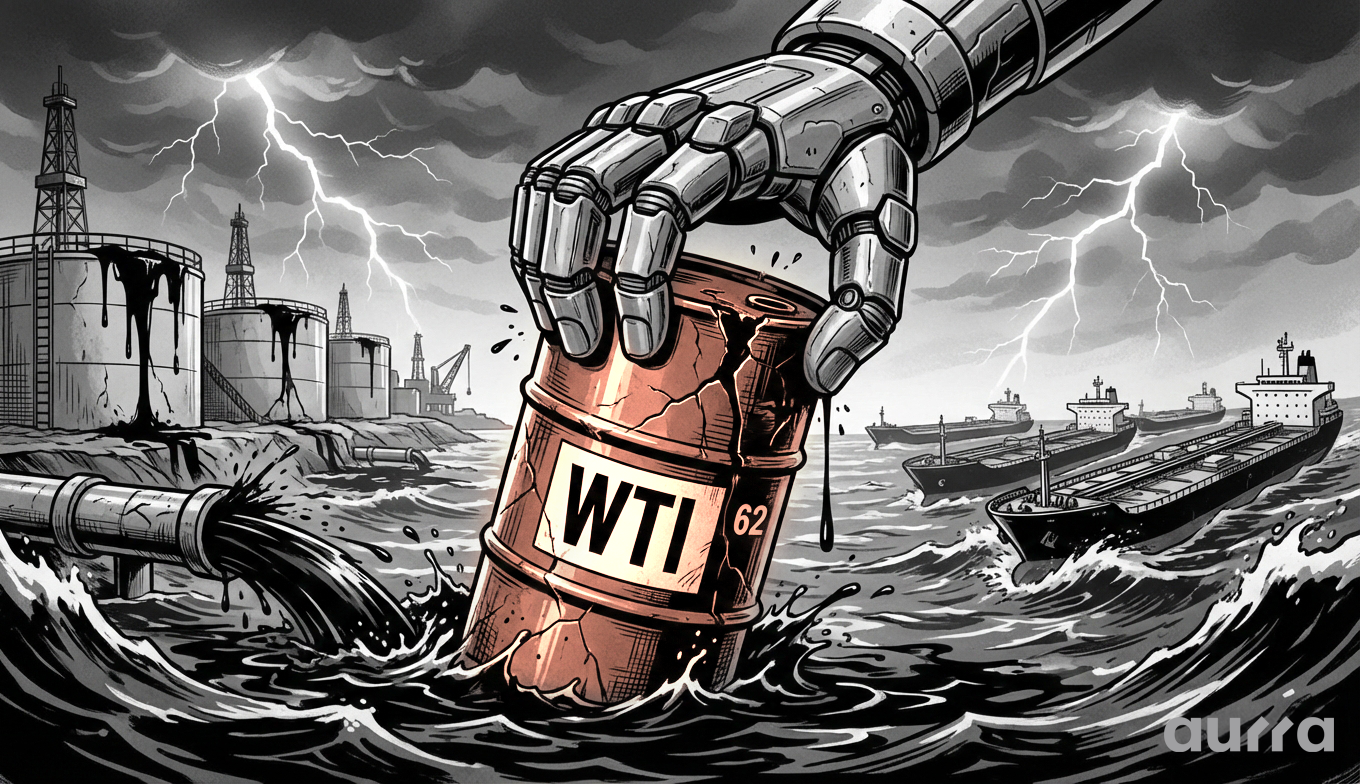
Crude oil prices, represented by WTI and Brent, remain range-bound as the market struggles to sustain upside momentum despite intermittent geopolitical headlines. Prices are being pulled between persistent global oversupply, uneven demand recovery, and cautious production management by OPEC+. This environment has created choppy conditions, reinforcing the need for disciplined strategy and risk control among traders.
What Are the Core Fundamental Drivers Behind Oil’s Current Price Action?
How Is Global Supply and Demand Influencing Oil Prices?
The dominant pressure on crude oil continues to stem from supply exceeding demand. Global inventories remain elevated, while key producers have prioritized market share protection over aggressive output cuts. This oversupply has capped rallies, even during short-lived bullish episodes. On the demand side, sluggish manufacturing activity and slower-than-expected growth in major economies have limited upside potential, keeping prices confined within a broad range.
How Are Geopolitical Developments and OPEC+ Policies Affecting the Market?
Geopolitical risks, including tensions affecting key energy regions, have provided temporary price support, but these rallies have faded quickly once risks de-escalated. At the same time, OPEC+ production discipline has helped establish a short-term price floor, though it has not been strong enough to shift the broader supply imbalance. As a result, oil remains highly sensitive to headlines but lacks sustained directional conviction.
How Can Traders Strategically Navigate This Oil Market?
What Key Technical Levels Should Be Monitored on MT5?
From a technical perspective, resistance remains concentrated around the $60–$62 zone, where multiple upside attempts have failed. A sustained break above this area could signal improving bullish momentum. On the downside, support near $55–$57 is a critical zone; a breakdown below it may expose oil to renewed selling pressure. Traders using MT5 should mark these levels clearly and set alerts to capture potential breakouts or breakdowns.
How Should Risk Be Managed Amid Ongoing Volatility?
With oil trading in a headline-driven and volatile environment, robust risk management is essential. Traders should pre-define entries, stop-losses, and profit targets before execution. Using the Aurra Markets Trading Calculator helps ensure position sizes remain aligned with account equity and risk tolerance. In uncertain conditions like these, capital preservation is just as important as opportunity capture.
Looking ahead, key catalysts such as EIA inventory reports, OPEC+ updates, and macroeconomic data from major consumers will play a decisive role in determining oil’s next directional move.
Key Takeaways
- Market Structure: Crude oil remains range-bound, reflecting unresolved supply-demand imbalances.
- Fundamental Drivers: Oversupply, uneven demand, and cautious OPEC+ policy continue to dominate price action.
- Key Levels: Resistance at $60–$62 and support at $55–$57 are critical zones to monitor.
- Trading Approach: Success requires disciplined risk management, technical clarity, and headline awareness.
Crude oil is clearly at a crossroads. Do you expect tightening supply to finally fuel a breakout, or will demand concerns push prices lower? Share your outlook in the comments.
Risk Disclosure: Any opinions, news, research, market analysis, pricing, or other information contained on this website is provided as general market commentary for informational purposes only, and does not constitute investment advice. Aurra Markets shall not accept liability for any loss or damage, including without limitation to, any loss of profit, which may arise directly or indirectly from the use of or reliance on such information.