Back
Back


What's Driving the Whiplash Volatility in Crude Oil Prices?
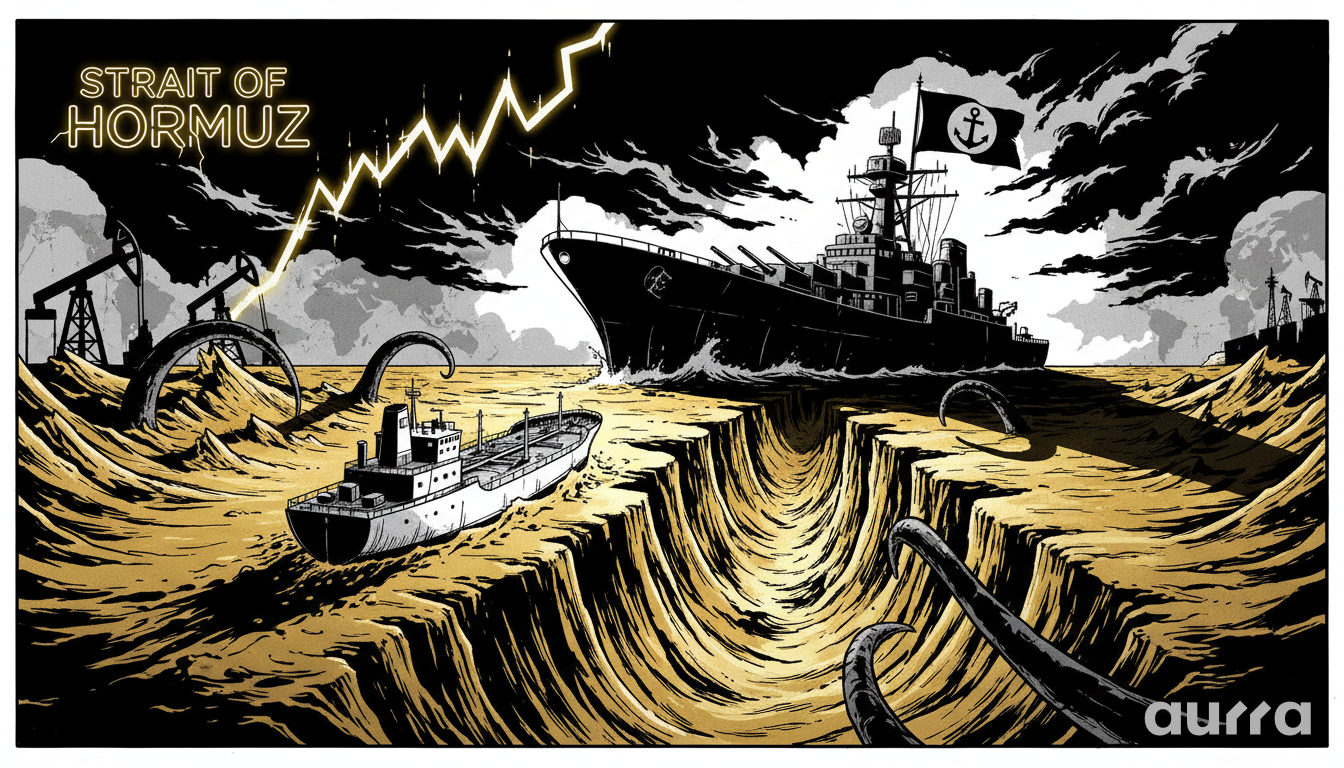
The dramatic swings in Crude Oil (WTIUSD) are being driven by rapidly shifting geopolitical risk perceptions in the Strait of Hormuz, a critical chokepoint for global energy supplies. The initial price surge was caused by fears that tanker traffic would be disrupted, leading to a supply squeeze. The subsequent reversal was triggered by reports that the US might provide military protection to vessels, which eased those immediate concerns. This price action highlights how sensitive the oil market is to news that affects its complex supply chain. For traders, this volatility requires a robust strategy and a keen awareness of both headlines and technical.
How are Geopolitical Events in the Strait of Hormuz Impacting Oil?
Events in the Strait of Hormuz have a direct and immediate impact on oil prices because a significant portion of the world's oil supply travels through it. Any threat of closure or disruption, real or perceived, introduces a 'risk premium' into the price of crude. This premium reflects the market's attempt to price in the potential for future shortages. The recent news cycle created a perfect storm for volatility, as the initial threat and the potential resolution were reported in quick succession, causing prices to first spike and then retreat.
Volatility creates opportunity, but it also creates risk. The biggest market moves often happen during high-impact news releases like the NFP or CPI data and being unaware of them can lead to unnecessary losses.
📅 Stay Ahead of the News: Don't let a sudden spike stop you out. Track upcoming events, consensus forecasts and release times on the official Aurra Economic Calendar.
What Caused the Initial Price Spike?
The initial, sharp rally to nearly $78 per barrel was fuelled by fears that oil tankers would be unable to move through the Strait of Hormuz safely. This scenario would effectively trap a significant amount of supply, leading to a rapid drawdown in global inventories and forcing production cuts. Speculative buyers rushed into the market to front-run this potential supply shock, pushing prices through key resistance levels. During such high-volatility events, execution matters. Our deep liquidity ensures you get your orders filled quickly at your desired price points.
Why Did Oil Prices Retreat from Their Highs?
Prices pulled back sharply after reports emerged that the US could offer military escorts to commercial ships. This news served as a powerful counter-narrative, suggesting that the worst-case supply disruption scenario could be averted. Traders who had bought into the rally on fear began to take profits, and new sellers entered the market, believing the immediate risk had subsided. This illustrates the importance of staying updated on developing news stories.
Which Technical Levels Are Essential for Navigating Oil's Next Move?
In a market whipsawed by news, technical analysis provides an essential framework for risk management and identifying potential turning points. Key price levels, including prior highs and Fibonacci retracement zones, act as a map to help traders make sense of the volatile movements. With prices moving so quickly, our Trading Calculator can help you model potential trade scenarios and manage your position sizing accordingly.
What is the Immediate Litmus Test for Market Direction?
The most critical near-term level is Monday's high, around $75.33. This price point has now become a barometer for short-term sentiment. If the price of WTIUSD remains below $75.33, it suggests that sellers are maintaining control after the reversal. However, if buyers manage to push the price back above this level, it would signal renewed confidence and could open the door for a retest of the recent highs near $78.
In a market where every pip counts, your broker's infrastructure is your competitive advantage. Low spreads are a good start, but true performance comes from deep liquidity and reliable execution during high volatility.
🏆 See the Difference: Why do professional traders switch to Aurra? From our liquidity partners to our execution speeds, discover our full competitive edge at Why Choose Us.
What are the Key Downside Levels to Watch?
Should the selling pressure continue, the next key areas of support are based on Fibonacci retracement levels of the recent rally. The first target is the 38.2% retracement level, near $72.50, which often acts as a first stop in a moderate correction. A break below that would shift focus to the 50% retracement level at $70.79, indicating a much deeper correction is underway and that the market has priced out a significant portion of the geopolitical risk premium. In these conditions, managing costs is key, which is why our platform's highly competitive, low-cost spreads are a direct advantage.
Key Takeaways
- Oil price volatility is being dictated by headlines from the Strait of Hormuz, causing rapid shifts in supply disruption risk.
- A spike to nearly $78 was caused by fears of a supply blockade, while a retreat was triggered by reports of potential US naval protection.
- The $75.33 level is the key short-term pivot; staying below it favours sellers, while a break above could signal a retest of the highs.
- Downside support levels to watch are the Fibonacci retracements at $72.50 (38.2%) and $70.79 (50%).
Volatility in the oil market often presents both opportunity and risk. What's one rule you never break when protecting your capital during such volatile periods?
Risk Disclosure: Any opinions, news, research, market analysis, pricing, or other information contained on this website is provided as general market commentary for informational purposes only, and does not constitute investment advice. Aurra Markets shall not accept liability for any loss or damage, including without limitation to, any loss of profit, which may arise directly or indirectly from the use of or reliance on such information.
The Official Aurra Markets:
There is only one Aurra. We are defined by our Double-R spelling and our commitment to transparency. ❌ Not a prop firm. ❌ Not affiliated with Aura Capital. ✅ We are a fully registered International Brokerage (Reg: 2025-00208).