Back
Back


What Are the Implications of the U.S.-Israel Strikes on Iran?
The recent joint military strikes by the U.S. and Israel on Iranian targets have resulted in significant upheaval in the Middle East, particularly following the assassination of Iran's Supreme Leader, Ayatollah Ali Khamenei. As global markets prepare for turmoil, several key developments are unfolding in the wake of this escalating conflict.
What Happened During the Strikes?
The U.S. and Israel launched their most aggressive military operation against Iran over the weekend, resulting in Khamenei's death. According to reports from Iranian state media, this action has exacerbated tensions in a region already rife with conflict. Following the strikes, Iran retaliated with an unprecedented series of missile attacks targeting U.S. military bases throughout the Middle East and Israel, leading to panic among civilians and military personnel alike[^1].
How is Iran Responding?
In retaliation, Iran has emphasized that it will not hesitate to respond decisively to any aggression. Analysts fear that such attacks have the potential to spark a broader conflict across the region, especially considering the involvement of neighbouring countries like the UAE, Jordan, and Saudi Arabia, who are also under threat from Iranian missile strikes[^2]. The chaos in air travel is a direct consequence of these escalating tensions, with many flights cancelled in and out of key airports in the region[^1].
What is the Market Reaction?
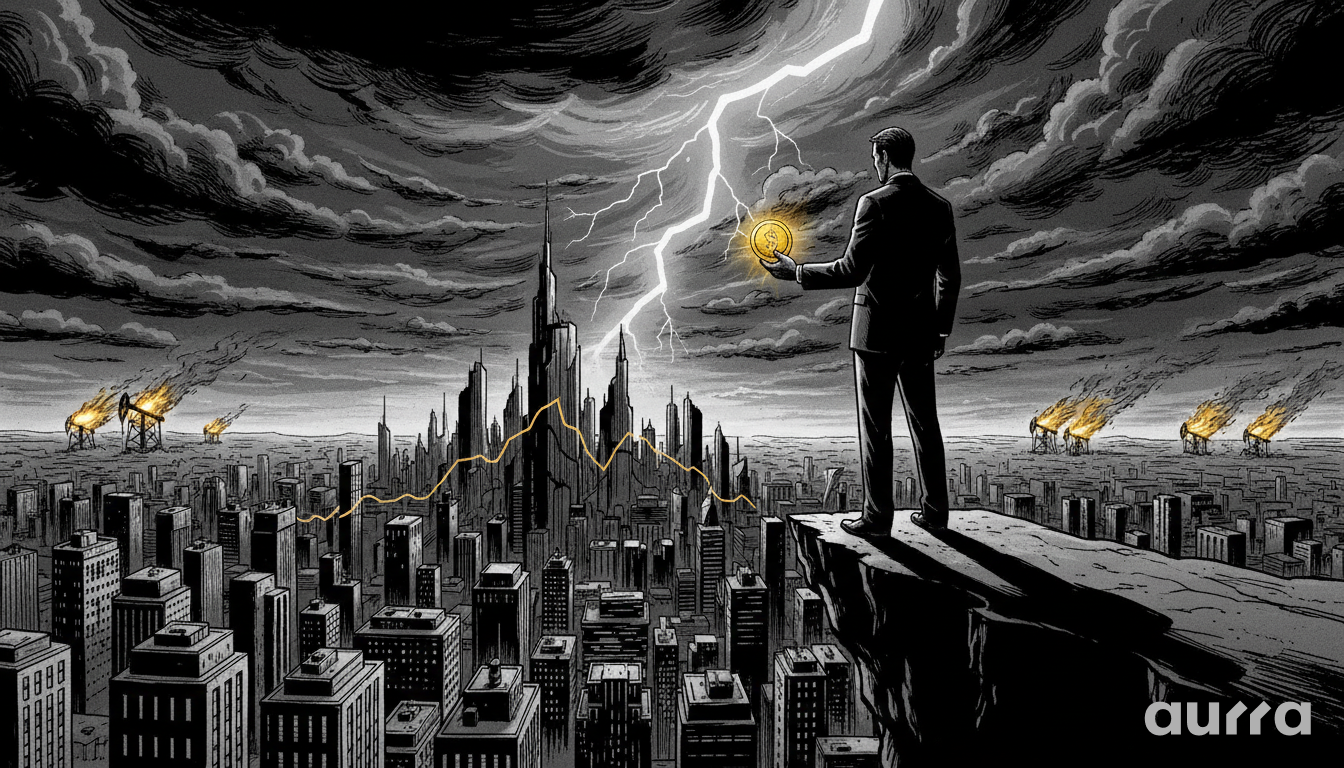
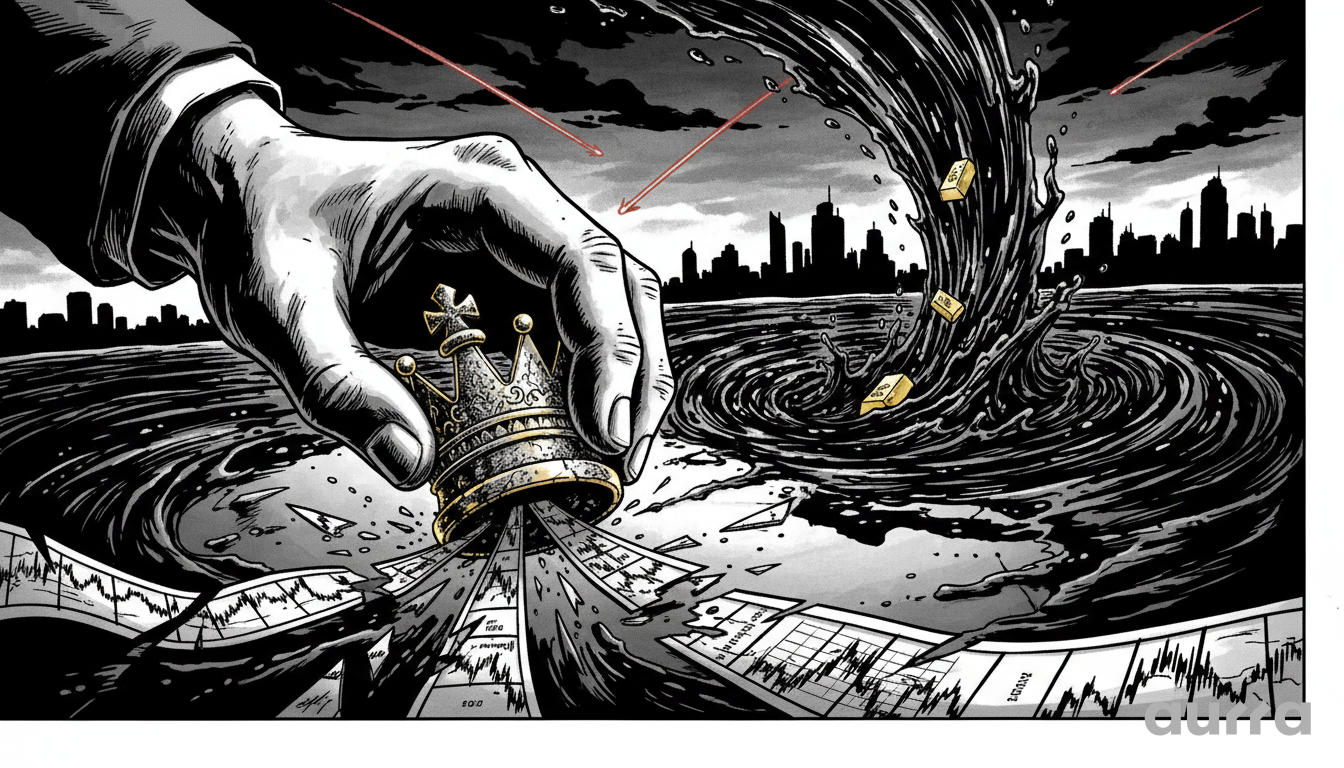
As the markets brace for anticipated turmoil when they reopen, investors are shifting toward risk-off assets.
- Safe-haven investments such as gold and the U.S. dollar are expected to see increased demand.
- Conversely, equity markets could experience significant pullbacks due to heightened geopolitical risks[^2].
The impact of the strikes on oil prices is also notable, with forecasts suggesting possible increases of $5 to $7 per barrel when trading resumes if the situation does not de-escalate[^1]. The Strait of Hormuz, a critical waterway for global oil transport, is a focal point as Iran's role as a significant oil producer could lead to disruptions in supply[^2].
What’s Next for Iran and Global Relations?
Experts are questioning what this means for Iran’s political landscape and international relations. The death of Khamenei opens a succession process that may threaten the stability of the Islamic Republic. Analysts caution that while killing the Supreme Leader could hint at potential regime changes, the Islamic Revolutionary Guard Corps (IRGC) continues to wield significant power, meaning the likelihood of an immediate, meaningful transformation remains uncertain[^2].
Furthermore, regional powers like Russia and China have publicly protested the military strikes but are unlikely to provide significant military support due to their own strained capabilities. This leaves Iran increasingly isolated and vulnerable as the conflict continues to evolve[^3].
Key Takeaways
- The U.S. and Israel’s recent strikes on Iran have escalated the ongoing conflict significantly.
- Iran has retaliated with missile attacks across the region, raising fears of broader warfare.
- Global markets are shifting toward safe-haven assets, anticipating turbulence as trading resumes.
- The assassination of Khamenei raises critical questions about Iran’s political future and the stability of the region.
To see how this data impacts your investments, read our latest market analysis.
References
[^1]: U.S.-Israel strikes Iran: What we know as markets brace for turmoil. (2026-03-01). CNBC. Retrieved 2026-03-01.
[^2]: Iran after Khamenei: What's next and what it means for the country? (2026-03-01). CNBC. Retrieved 2026-03-01.
[^3]: Iran may 'lash out harder' as Khamenei's death puts Tehran on a war footing, leaving the world bracing for what's next. (2026-03-01). CNBC. Retrieved 2026-03-01.
Keywords: U.S.-Israel, Iran, military strikes, Khamenei, markets, geopolitical risks, oil prices, Middle East conflict, international relations