Back
Back



How Are Traders Adapting During Ongoing Geopolitical Turmoil?
Traders are capitalizing on market opportunities amid the recent geopolitical unrest, particularly surrounding the U.S.-Iran conflict, leveraging historical patterns to guide their investment strategies.
What Happened During Monday's Market Session?
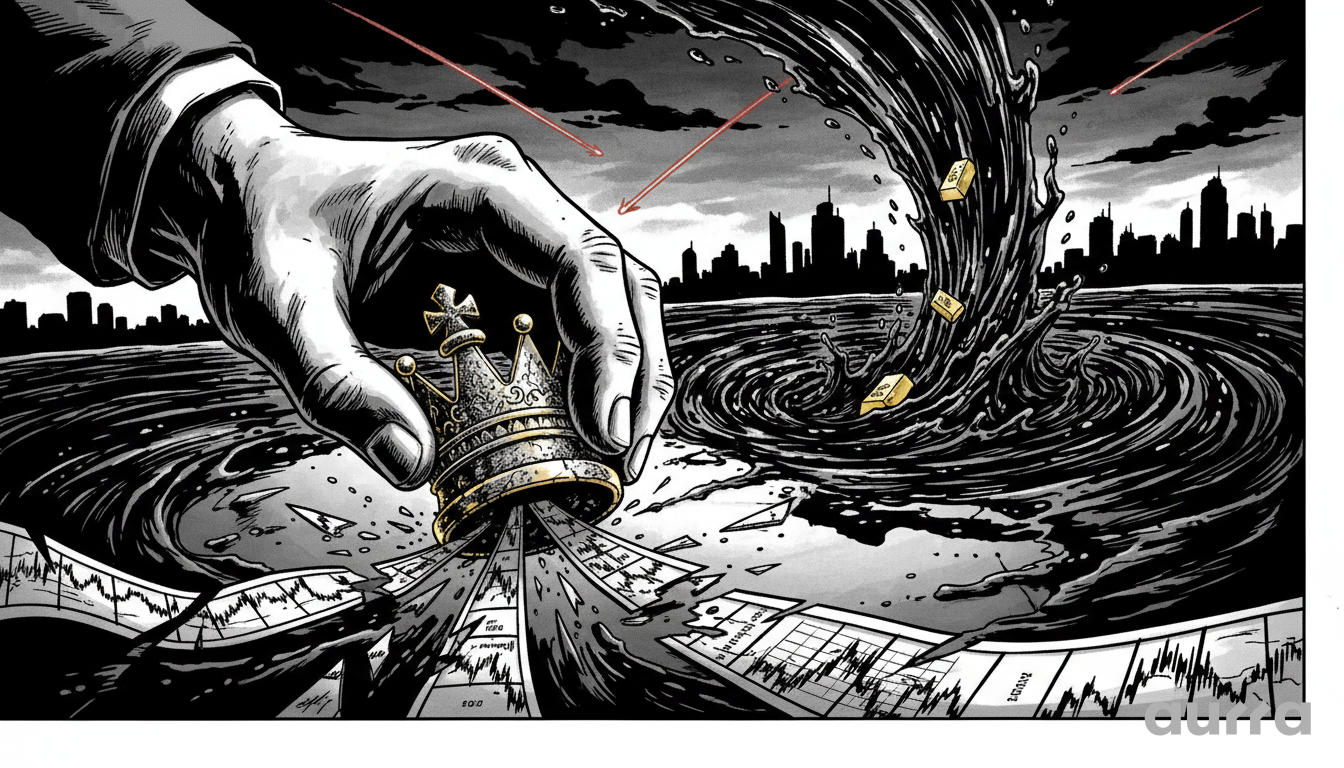
On March 2, 2026, Wall Street reacted to an early stock market sell-off by seeking gains in beaten-down sectors. The Nasdaq Composite, for instance, experienced a significant recovery as news broke regarding a joint U.S.-Israel attack on Iran over the weekend. As the day progressed, the Dow Jones Industrial Average remained in negative territory, while the S&P 500 edged closer to break-even, having rebounded from its earlier lows. This volatility underscored a crucial insight: significant geopolitical conflicts may lead to temporary market dips, but investors often view these as opportunities to buy.
Why Do Geopolitical Risks Have Limited Long-Term Effects on Markets?
Historically, major geopolitical shocks have had a capped impact on the stock market. Data from Bank of America Securities indicates that the S&P 500 typically loses up to 8% before fully recovering within three months after such events. The dynamics surrounding the current U.S.-Iran war remain uncertain, with factors like oil supply disruptions and potential duration of hostilities being critical variables.
How Are Traders Positioning Themselves in the Current Environment?
Investors are leaning towards specific sectors that are anticipated to perform better during this period of turmoil:
- Gold: Analysts suggest that gold will likely see an uptick due to its safe-haven status amid geopolitical uncertainty. Jan Stuart, a global energy strategist at Piper Sandler, advised investors to buy gold now and consider holding until the conflict resolves. Current trends point towards gold potentially reaching all-time highs.
- Energy Stocks: The situation in Iran complicates the outlook for energy stocks. Following a strong rally in 2026 where the sector surged over 26%, the ongoing conflict could lead to fluctuating oil prices. Quick resolution may revert oil prices back to between $60 and $70 per barrel, while sustained conflict could spike prices above $100 per barrel.
- Defence Stocks: While defence stocks rallied in response to the conflict, analysts warn that a prolonged engagement could negatively impact the outlook for the aerospace and defence sector. Higher near-term demand for military supplies must be weighed against the potential for long-term political repercussions and diminished public support for military spending.
Key Takeaways
- Market Response: Traders leveraged Monday's market dip as a buying opportunity, particularly focusing on tech and energy sectors.
- Historical Trends: S&P 500 typically recovers from geopolitical shocks within months.
- Investment Strategies: Key focus on gold and energy stocks as potential beneficiaries of ongoing unrest.
- Sector Disparities: Defence stocks may face long-term risks despite short-term gains from military engagements.
To see how this data impacts your investments, read our latest market analysis.
References
[^1]: Sarah Min (2026). "How traders played Monday's comeback, and what they think will keep working during the turmoil (https://www.cnbc.com/2026/03/02/how-traders-played-mondays-rebound-and-what-they-think-will-keep-working-amid-turmoil.html)". CNBC. Retrieved March 2, 2026.
Metadata
Main Keywords/Tags: Stock Market, Traders, U.S.-Iran Conflict, Investment Strategies, Geopolitical Turmoil, Gold, Energy Stocks, Defence Sector