Back
Back


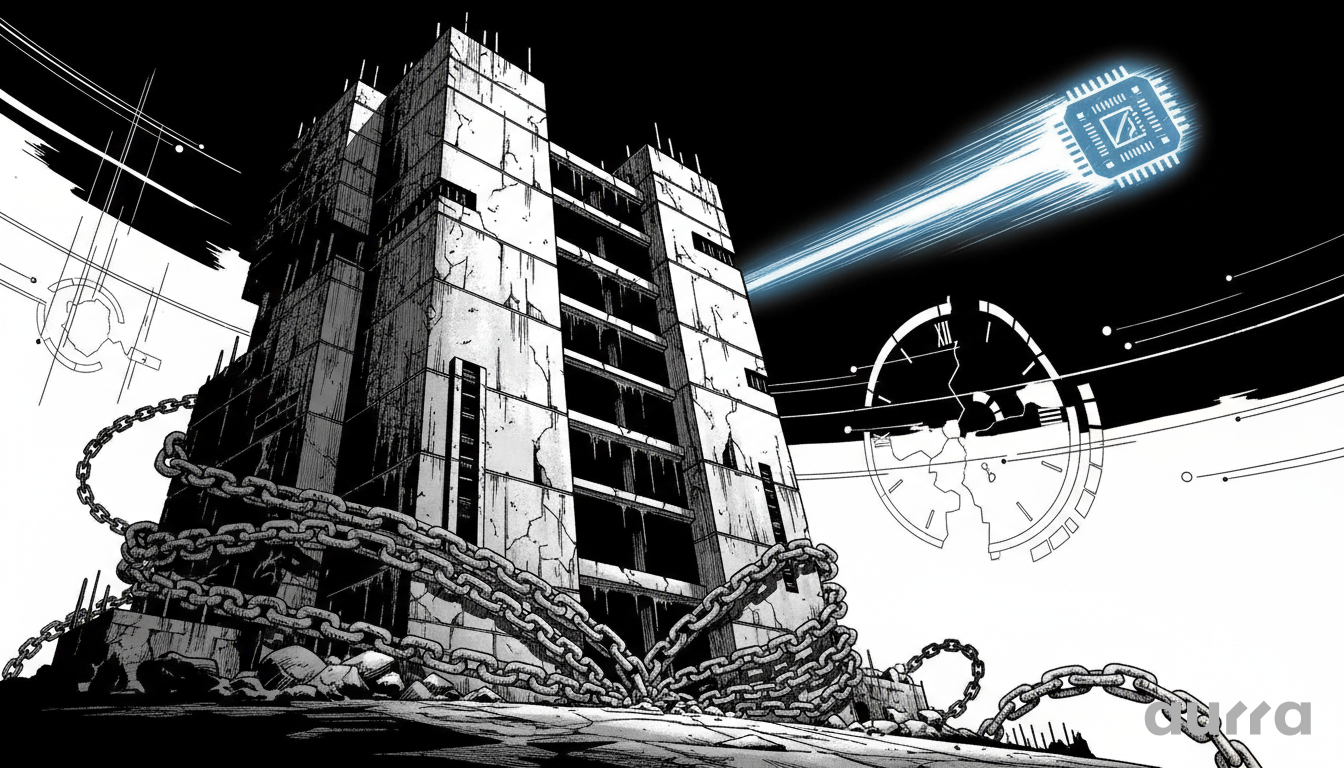
How Is Oracle Managing Its Debt While Building Outdated Data Centers?
Oracle is grappling with significant challenges as it continues to invest heavily in data centers that may soon become obsolete due to rapid advancements in technology.
Why Is Oracle's Approach a Cause for Concern?
Oracle is pursuing a strategy that culminates in building data centers with older technology, primarily fueled by a staggering debt load exceeding $100 billion. This debt approach poses a unique risk, particularly as its key client, OpenAI, has chosen to seek partnerships with more technologically advanced competitors like Nvidia for its forthcoming AI infrastructure needs.
What Led to OpenAI's Shift Away from Oracle?
Recent developments indicate that OpenAI is walking away from expanding its flagship Stargate data center with Oracle in Texas. Instead, OpenAI is opting for newer generations of Nvidia chips at different sites. This move highlights the mismatch between the speed at which AI chips evolve and the lengthy construction timelines for data centers. OpenAI's desire for next-generation technology stems from its understanding that even the smallest performance enhancements in hardware can significantly impact AI model effectiveness and, consequently, market success[^1].
The worst time to calculate your margin is after you are already in a trade. Over-leveraging is the number one reason traders blow accounts.
🛡️ Protect Your Account: Know your limits before you enter the market. Use our Trading Calculator to see exactly how much free margin you need to hold your position safely.
How Does Oracle's Debt Impact Its Business Model?
Despite Oracle's extensive expenditure on data center expansion—including construction and hardware—its financial model raises substantial red flags. Analysts point out that while competitors such as Google, Amazon, and Microsoft are expanding their tech infrastructure leveraging robust cash reserves, Oracle's reliance on debt financing could jeopardize its longevity in the competitive landscape of AI infrastructure[^1].
Features of Oracle's situation include:
- Negative Free Cash Flow: Oracle's free cash flow has turned negative, raising concerns about its ability to sustain its ambitious $50 billion capital expenditure plan[^1].
- Market Reaction: As a result of these financial concerns, Oracle's stock has dropped 23% this year and has lost more than 50% of its value since its peak in September[^1].
What Are the Implications for the Wider Market?
The broader implications of Oracle's strategy may pose risks not only to the company but to the entire AI infrastructure market. The rapid depreciation of Graphic Processing Units (GPUs) as technology escalates could lead to substantial commitments to outdated hardware before power even becomes operational. This scenario might put pressure on companies in similar positions to Oracle, as customers demand ever-more advanced technology at a faster pace[^1].
Interest rates move the world. When the Fed or the ECB speaks, trends change instantly. Catching these shifts early is how big moves are caught.
🏛️ Watch the Fed: Don't be surprised by a rate hike. Track all upcoming central bank decisions and monetary policy speeches on the Aurra Economic Calendar.
Key Takeaways
- Oracle is heavily investing in data centers while facing challenges from evolving technology.
- OpenAI has decided against further collaboration with Oracle due to the demand for next-gen hardware.
- Oracle's reliance on over $100 billion in debt amidst negative cash flow is concerning for its future sustainability.
- The entire AI infrastructure sector may face risks associated with hardware obsolescence and rapid technological advancements.
To see how this data impacts your investments, read our latest market analysis.
References
[^1]: Deirdre Bosa, Jasmine Wu (2026). "Oracle is building yesterday’s data centers with tomorrow’s debt (https://www.cnbc.com/2026/03/09/oracle-is-building-yesterdays-data-centers-with-tomorrows-debt.html)". CNBC. Retrieved March 9, 2026.
Main keywords/tags: Oracle, data centers, OpenAI, Nvidia, debt financing, AI infrastructure, technology, market analysis.
About Aurra Markets
Retail traders need institutional conditions. Aurra Markets links your MT5 terminal directly to deep liquidity pools. This means you trade with lower spreads and zero requotes. We operate as a pure digital broker with instant USDT deposits.
Access our full asset list at www.aurra.markets.
The Official Aurra Markets:
There is only one Aurra. We are defined by our Double-R spelling and our commitment to transparency. ❌ Not a prop firm. ❌ Not affiliated with Aura Capital. ✅ We are a fully registered International Brokerage (Reg: 2025-00208).