Back
Back


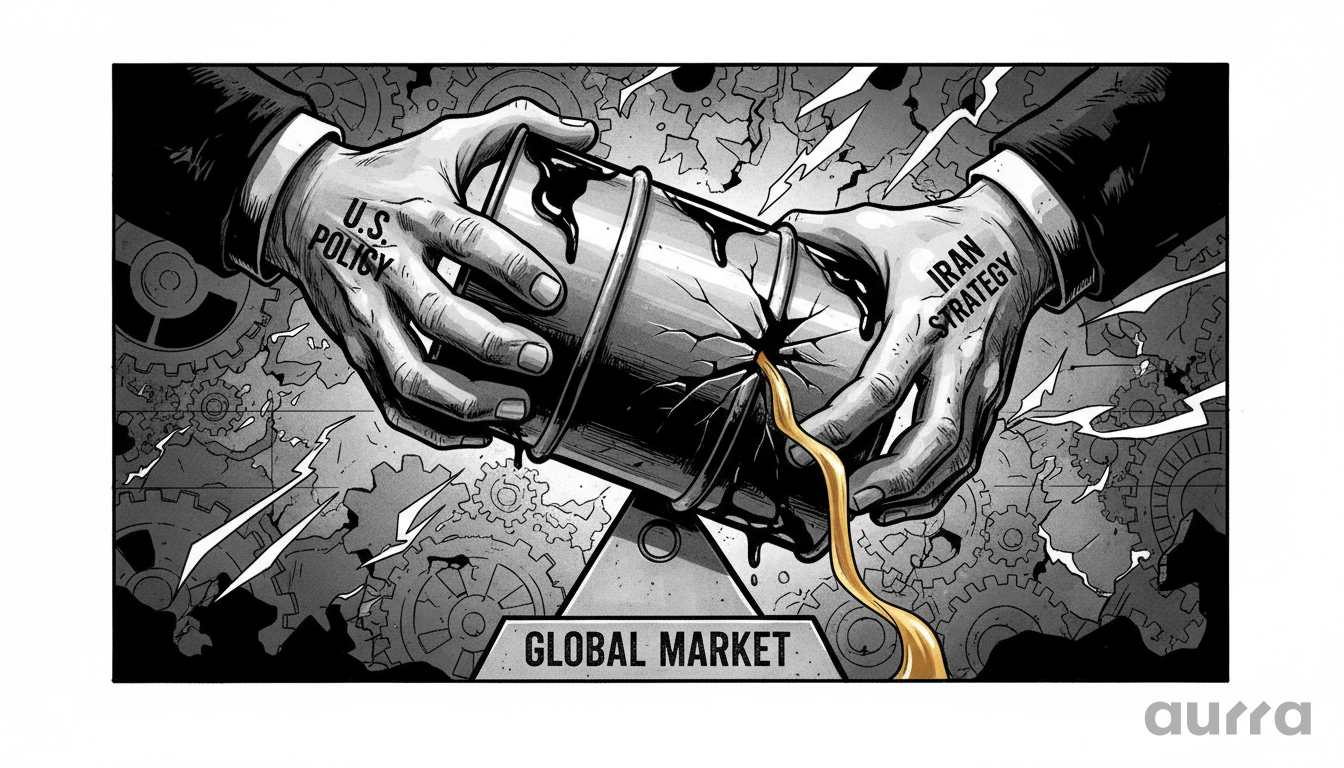
How Are US–Iran Tensions Affecting Oil Prices?
Oil prices have recently increased by approximately 2%, attributed to escalating tensions between the U.S. and Iran alongside signs of improved demand. This surge highlights the impact of geopolitical factors on the oil market.
What Factors Are Driving Oil Price Increases?
Concerns over potential supply disruptions due to U.S.–Iran tensions have played a significant role in the recent climb of oil prices. U.S. President Donald Trump has expressed considerations to deploy a second aircraft carrier to the Middle East, as negotiations between Washington and Tehran continue amidst ceaseless rhetoric of conflict[^1].
Oil prices are also influenced by global demand indicators, particularly as stockpiles show signs of decline. Brent crude futures increased by $1.39, or 2.02%, reaching $70.19 a barrel, while U.S. West Texas Intermediate crude rose $1.34, almost 2.1%, to $65.30[^1].
Execution speed is the difference between a profit and a break-even trade. We have optimised our servers specifically for the world's most popular trading interface.
🖥️ Upgrade Your Setup: Don't let lag kill your strategy. Experience institutional-grade execution speeds by downloading MetaTrader 5 (MT5) with Aurra today.
How Are Supply and Demand Dynamics Shaping the Market?
The threat of heightened tensions in the Middle East is sustaining oil prices, despite there being no immediate signs of supply disruptions. UBS oil analyst Giovanni Staunovo noted:
"Ongoing tensions in the Middle East continue to support prices, although so far there has been no supply disruption."
Additionally, draws from crucial stockpiles at facilities, such as the Amsterdam-Rotterdam-Antwerp refining and storage hub, indicate a tighter market, further supporting price stability[^1].
This adjustment in inventory coincides with a slight decline in Russian oil production, creating a more complex landscape for traders and investors to navigate[^1].
What Else Is Influencing the Oil Market?
A weaker dollar has also helped bolster prices, as it makes dollar-denominated crude less expensive for foreign buyers. Moreover, the Organization of the Petroleum Exporting Countries (OPEC) maintains its supply-demand outlook largely unchanged, but anticipates a reduction in global oil demand by 400,000 barrels per day in the upcoming quarter compared to the preceding one[^1].
In addition, Egypt's initiative to urge international oil companies to double production by 2030, accompanied by revisions of existing contracts, reflects ongoing efforts to increase oil output and investment in the region[^1].
Volatility creates opportunity, but it also creates risk. The biggest market moves often happen during high-impact news releases like the NFP or CPI data and being unaware of them can lead to unnecessary losses.
📅 Stay Ahead of the News: Don't let a sudden spike stop you out. Track upcoming events, consensus forecasts and release times on the official Aurra Economic Calendar.
Key Takeaways
- Oil prices rose approximately 2% due to geopolitical tensions between the U.S. and Iran.
- Possible supply disruptions and improved demand indicators are contributing to the change in oil prices.
- Stockpile draws indicate a tightening market, while a weaker dollar positively influences oil demand.
- OPEC forecasts a decrease in global oil demand in the near future amid fluctuating geopolitical conditions.
To see how this data impacts your investments, read our latest market analysis.
References
[^1]: Spencer Kimball (2026-02-11). "Oil rises 2% on US–Iran tensions, improved demand (https://www.cnbc.com/2026/02/11/oil-rises-2percent-on-usiran-tensions-improved-demand.html)". CNBC.
Metadata:
Keywords: Oil prices, US-Iran tensions, crude oil, global demand, oil market analysis, OPEC.
About Aurra Markets
Aurra Markets is a next-generation CFD broker redefining the trading experience with institutional-grade liquidity, crypto-native deposits and the MT5 platform. Regulated by the Financial Services Commission (FSC) of Mauritius (License Number: GB25204837), Aurra Markets serves global traders with transparency, speed, and integrity.
⚠️ Brand Notice:
Aurra Markets International Limited is a distinct, independent brokerage and is not affiliated with Aura FX, Aurora Capital or Aura Funded. Please ensure you are visiting our official domain at www.aurra.markets.