Back
Back



How Will AI's Next Automation Wave Affect Employment?
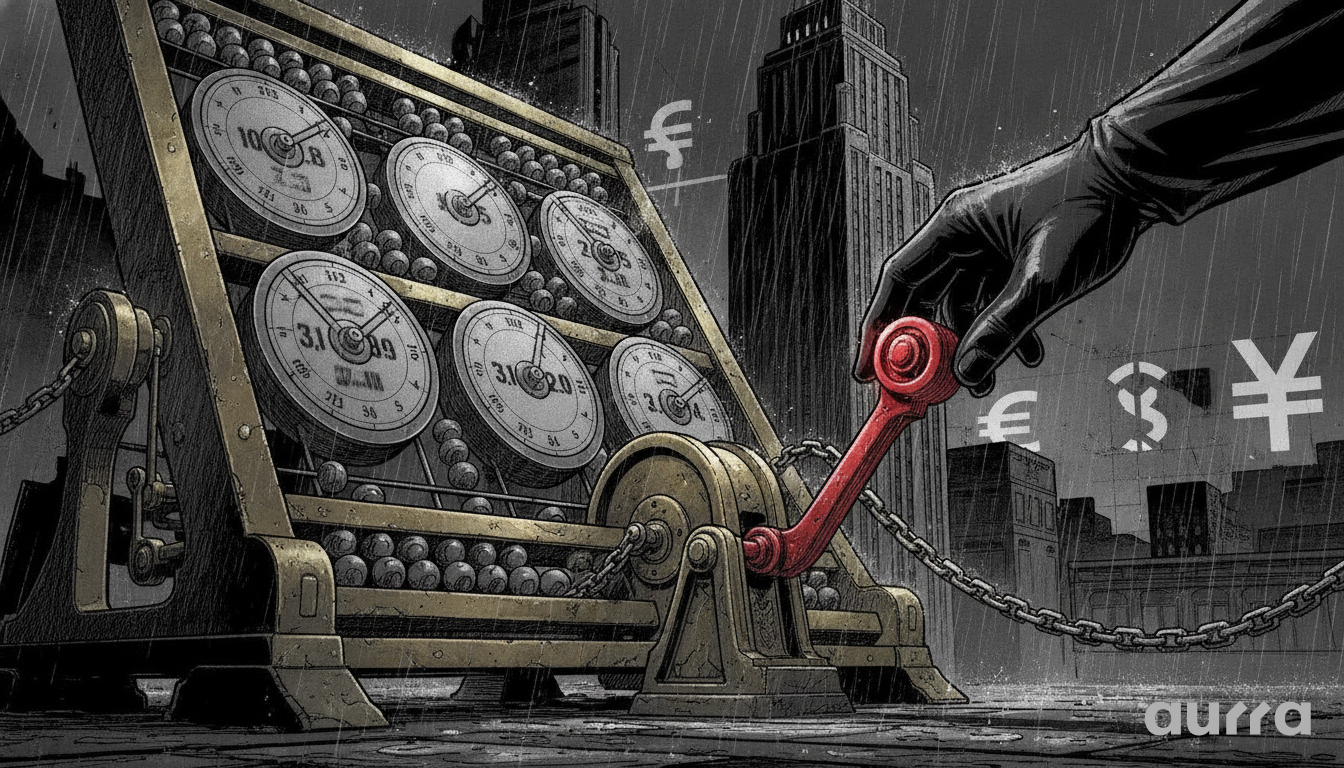
The upcoming wave of automation driven by artificial intelligence (AI) is set to significantly impact the workforce, posing both challenges and opportunities for workers across various sectors.
What Sectors Are Most at Risk from AI Automation?
As AI technology continues to advance, certain employment sectors are particularly vulnerable to job losses and automation. Key areas include:
- Manufacturing: Robots and automated systems are increasingly capable of handling complex tasks previously managed by humans, leading to reduced labor demand.
- Retail: Self-checkout systems and automated inventory management are streamlining operations, diminishing the need for cashiers and stock clerks.
- Transportation: The rise of autonomous vehicles threatens jobs in driving professions, including truck drivers and taxi services.
According to a report by McKinsey, up to 30% of jobs worldwide could be automated by 2030, with low-skilled positions being the most affected [^1].
Price action tells a story, but you need the right tools to read it. Standard charts often miss the finer details needed for precision entries.
📈 Analyze with Precision: Upgrade your view of the market. Utilise advanced indicators, multiple timeframes, and institutional-grade charting tools by downloading MetaTrader 5 (MT5) with Aurra.
Can Workers Adapt to Job Market Changes?
In response to the potential disruptions caused by AI, workers can take proactive steps to adapt:
- Upskilling and Reskilling: Emphasizing the acquisition of new skills relevant to the evolving job market can enhance employability. Developing competencies in areas like data analysis, programming, and digital marketing is essential.
- Lifelong Learning: Engaging in continuous education, whether through formal courses or self-study, will help workers stay competitive.
- Exploring Emerging Fields: New industries, such as green technology and healthcare, are likely to experience job growth. Workers can pivot towards these growing fields to secure employment.
Experts suggest that companies should also invest in workforce development strategies to mitigate the impact of automation. By providing training programs, they can help workers transition to new roles that complement AI technologies [^1].
What Are the Broader Implications of AI Automation?
The rise of AI and automation is not only about job displacement; it also brings potential benefits to the economy. Key implications include:
- Increased Productivity: Automation can enhance efficiency, ultimately leading to lower costs and higher output.
- Creation of New Jobs: While certain jobs may disappear, AI could create new roles that require human oversight, programming, and maintenance of automated systems.
- Shifts in Work Culture: The integration of AI tools may lead to more flexible work environments, with remote work becoming increasingly common as companies leverage technology.
Despite these advantages, the shift towards automation raises important ethical and policy considerations, particularly regarding income inequality and the future of work [^1].
🔒 Segregated Client Accounts
Your capital security is our priority. We hold all retail client balances in separate accounts with top-tier banking institutions. Review our secure financial gateway to see how we keep your funds independent from company activities.
👉 Learn About Aurra Markets Fund Security
Key Takeaways
- Risk Sectors: Jobs in manufacturing, retail, and transportation are at significant risk of automation due to advances in AI.
- Adaptation Strategies: Workers are encouraged to upskill and seek opportunities in emerging fields to navigate the changing job landscape.
- Economic Impacts: Automation can lead to increased productivity and the creation of new job opportunities, while also posing challenges related to inequality.
To see how this data impacts your investments, read our latest market analysis.
References
[^1]: CNBC. "AI and job losses: How the next automation wave will impact the workforce". CNBC. 2026-08-09.
Keywords: AI automation, workforce impact, job losses, reskilling, employment sectors, economic implications
The Global Asset Hub
Aurra Markets connects you to Forex, Indices, Commodities and Crypto CFDs from a single MT5 account. You get deep liquidity and complete control over your portfolio.
Trade global markets on your terms at www.aurra.markets.
🛡️ Security Verification:
You are trading with Aurra Markets International. We are a distinct, independent financial institution. We are not associated with 'Aura FX', 'Auro Markets', 'Aurora', or 'Aura Funded'. Always verify your URL: Ensure you are connected to the official www.aurra.markets.