Back
Back


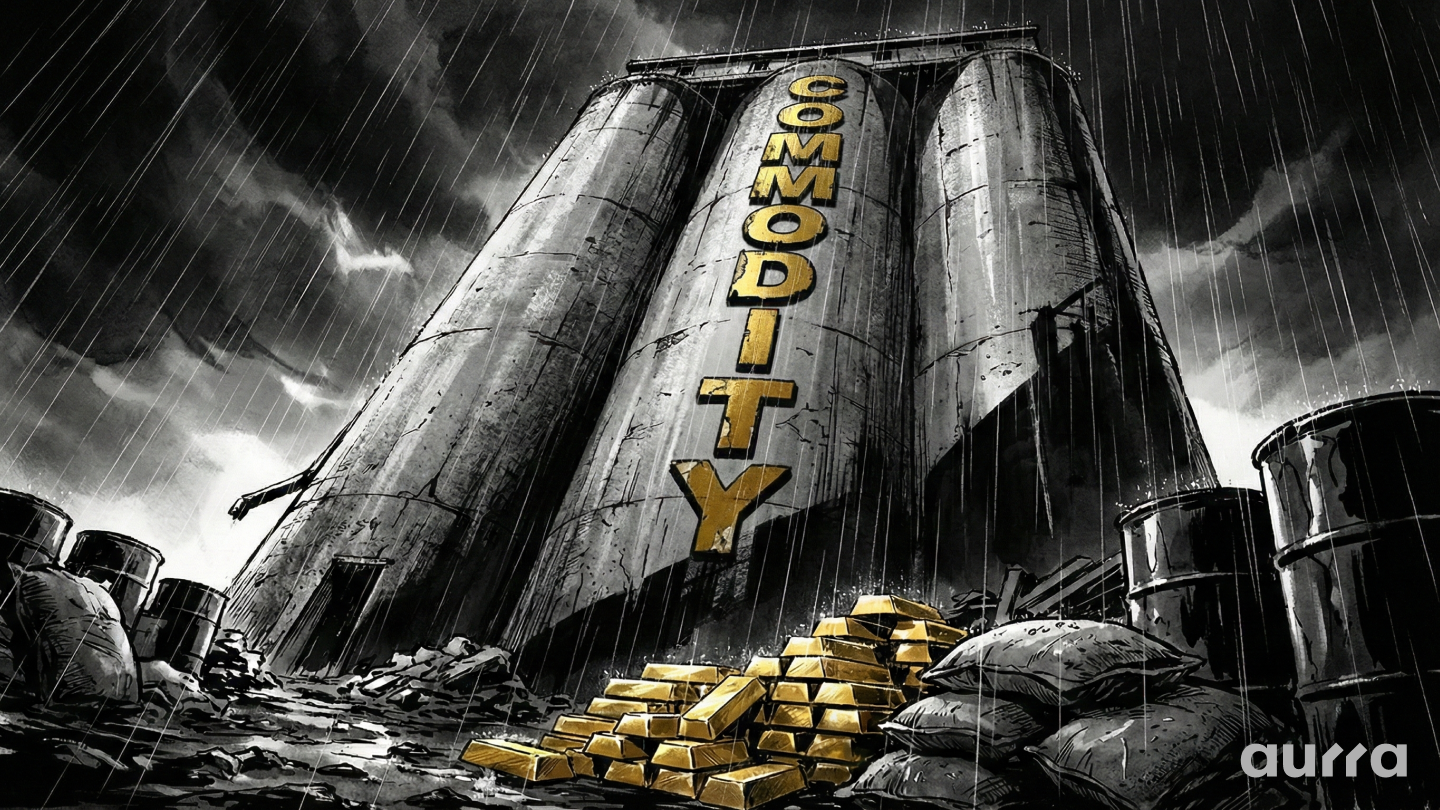
What Is Commodity Trading? A Beginner's Guide
Commodity trading is the buying and selling of raw materials or primary agricultural products, like gold, oil, or wheat. These tangible goods are standardized and traded on global markets. Investors participate to speculate on price movements, hedge against inflation, or diversify their portfolios.
Key Takeaways
- Commodities are standardized, tangible raw materials like gold, crude oil, and wheat.
- They are categorized as soft commodities (grown products like coffee) and hard commodities (mined resources like copper).
- The main groups are metals, energy, and agriculture, each vital to the global economy.
- Commodity prices are highly sensitive to supply and demand, weather patterns, and geopolitical events.
- Investors use commodities to diversify portfolios, hedge against inflation, and speculate on price changes.
What Are Commodities?
A commodity is any tangible asset that can be bought, sold, or exchanged for other goods or money. Unlike stocks or bonds, commodities are physical items that hold intrinsic value.
Key Features of Commodities:
- Standardized Quality: Commodities are traded in uniform grades or standards.
- Global Demand: Commodities are essential for manufacturing, energy, and food production.
- Price Volatility: Prices fluctuate due to supply-demand dynamics, geopolitical events, and weather conditions.
Traders and investors participate in the commodity markets to hedge against inflation, diversify their portfolios, or speculate on price movements.
Understanding Soft Commodities (e.g., Coffee, Wheat)
Soft commodities refer to agricultural products or livestock that are grown rather than mined. These commodities are typically renewable but depend on specific growing conditions like climate, soil, and seasons.
Examples of Soft Commodities:
- Agricultural Products: Wheat, corn, coffee, sugar, cotton.
- Livestock: Cattle, hogs, poultry.
Importance:
Soft commodities are staples of the global food supply chain and a significant part of the economies of many countries. Weather conditions, crop diseases, and geopolitical factors often impact their prices.
Understanding Hard Commodities (e.g., Gold, Oil)
Hard commodities are natural resources that are mined or extracted from the earth. These are non-renewable resources and play a critical role in industrial production and energy markets.
Examples of Hard Commodities:
- Metals: Gold, silver, platinum, copper.
- Energy Resources: Crude oil, natural gas, coal.
Importance:
Hard commodities are foundational to infrastructure, technology, and energy production. Their prices are influenced by mining output, geopolitical tensions, and global economic conditions.
Categories of Commodities
Commodities can also be categorized into three main groups based on their usage and characteristics:
1. Metals
- Precious Metals: Gold, silver, platinum—used as a store of value, in jewellery, and in industrial applications.
- Industrial Metals: Copper, aluminium, nickel—essential for construction, manufacturing, and electronics.
2. Energy
- Fossil Fuels: Crude oil, natural gas, coal—key drivers of transportation and electricity generation.
- Renewable Energy Commodities: Ethanol, biofuels—emerging as sustainable alternatives.
3. Agriculture
- Crops: Wheat, corn, soybeans—fundamental to global food production.
- Livestock: Cattle, pork bellies—essential for the meat and dairy industries.
Conclusion
Commodities are the backbone of the global economy, powering industries and fulfilling essential human needs. Here is what you need to remember:
- Commodities are divided into soft commodities (agriculture and livestock) and hard commodities (metals and energy).
- They can also be grouped into categories like metals, energy, and agriculture, each serving unique roles in global trade.
- Commodity prices are influenced by supply-demand dynamics, geopolitical factors, and economic conditions.
By understanding the fundamentals of commodities, traders and investors can navigate this market to hedge risks, diversify their portfolios, or capitalize on price fluctuations. Whether you are interested in gold, oil, or coffee, commodities are where global trade begins!
TL;DR
Commodities are the fundamental goods that power the global economy, from the metals in our phones to the food on our tables. Understanding the key differences between hard and soft commodities and the factors that influence their prices allows investors to tap into this vital market for diversification and speculation.
FAQ: Common Questions About Commodity Trading
1. What is the difference between trading commodities and stocks?
Answer: Commodity trading involves buying and selling physical goods with intrinsic value through futures contracts, ETFs, or CFDs.
Unlike stocks, which represent ownership in companies, commodities have standardized quality, are traded in specific contract sizes, and are often subject to seasonal patterns and supply-demand fundamentals rather than corporate performance.
2. How do beginners start trading commodities?
Answer: Beginners can start trading commodities by:
1) Learning about different commodity markets and their characteristics
2) Selecting a reputable broker offering commodity trading
3) Starting with commodity ETFs or managed funds before direct futures trading
4) Practicing with a demo account to understand contract specifications and margin requirements
5) Starting with small position sizes to manage risk effectively.
3. Which commodities are most traded by retail investors?
Answer: The most traded commodities among retail investors include:
- gold and silver (precious metals)
- crude oil and natural gas (energy sector)
- agricultural products like wheat, corn, and coffee.
These commodities typically offer higher liquidity, smaller contract sizes through mini-contracts, and are available on most trading platforms.
4. How does seasonality affect commodity trading?
Answer: Seasonality significantly impacts commodity trading, especially for agricultural products. Planting and harvest seasons create predictable supply patterns, while energy commodities experience demand fluctuations based on heating/cooling seasons.
Successful commodity traders often incorporate seasonal analysis into their trading strategies, tracking historical price patterns to anticipate potential market movements.
5. What factors most influence commodity prices?
Answer: Commodity prices are primarily influenced by:
- supply and demand fundamentals
- weather conditions affecting production
- geopolitical events impacting supply chains
- currency fluctuations (especially USD movements)
- global economic indicators
- inventory reports
- technological innovations affecting production or consumption
- market sentiment/speculative positioning
6. What are the minimum capital requirements for trading commodities?
Answer: Minimum capital requirements vary by trading method. Futures contracts typically require $5,000-$10,000 per contract due to margin requirements (5-10% of contract value).
Commodity ETFs and CFDs offer lower entry points starting from $100-$1,000. Proper risk management suggests having capital covering at least 2-3 times the minimum margin requirements to withstand market volatility.
7. How do commodity futures contracts work?
Answer: Commodity futures contracts are standardized agreements to buy or sell a specific quantity of a commodity at a predetermined price on a future date.
Each contract specifies the quality, quantity, delivery date and location. Traders can either take physical delivery at expiration or close positions before expiry.
Most speculators close positions before delivery, while hedgers might take delivery. Contracts are traded on regulated exchanges with daily settlement.
Further Reading
- A Guide to Trading Gold and Precious Metals
- How to Trade Crude Oil Futures and CFDs
- What Are Commodity ETFs?
- Using Technical Analysis for Commodity Markets
- Risk Management Strategies for Volatile Assets