Back
Back


How Should Investors Respond to the Iran Conflict's Impact on Markets?
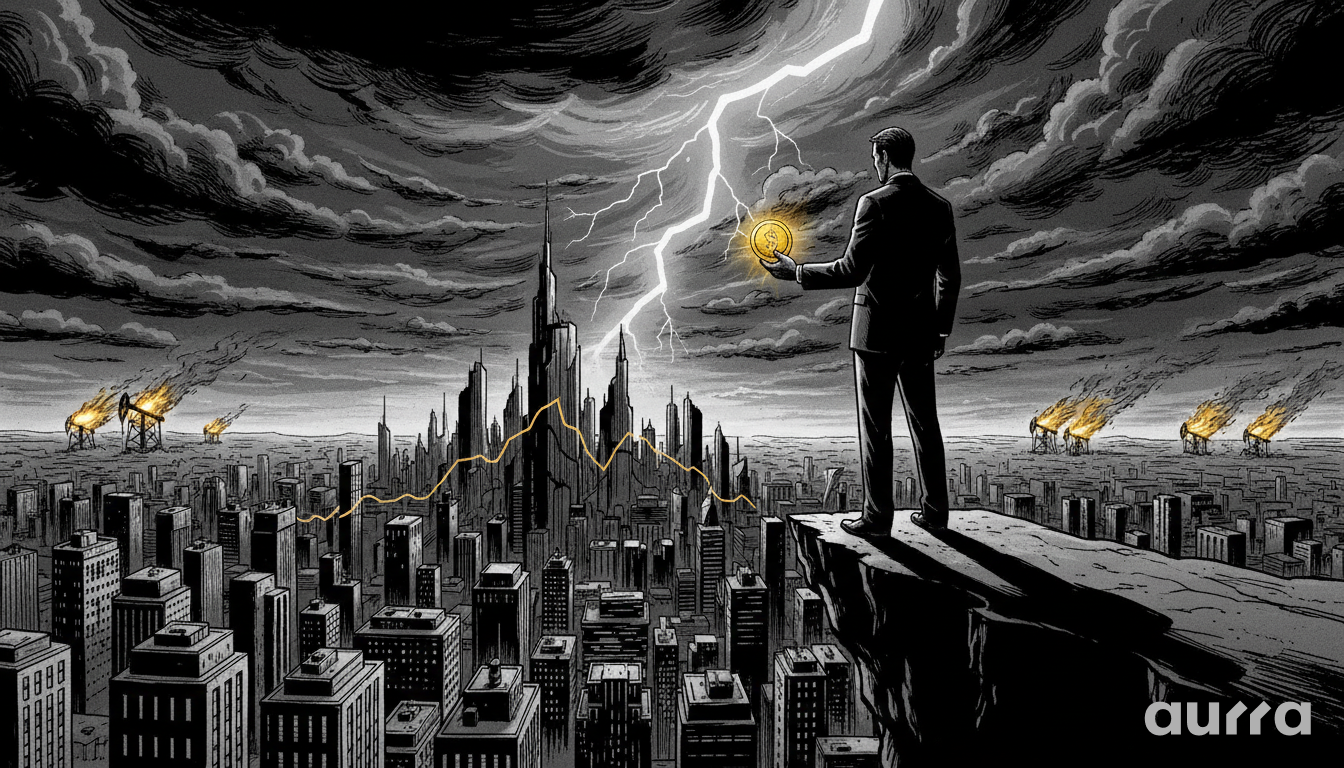
As the ongoing conflict in Iran escalates, stock market fluctuations are becoming increasingly common, prompting investors to reconsider their strategies. History suggests that initial volatility does not usually indicate long-term adverse effects on the market.
What Historical Trends Can Investors Learn From?
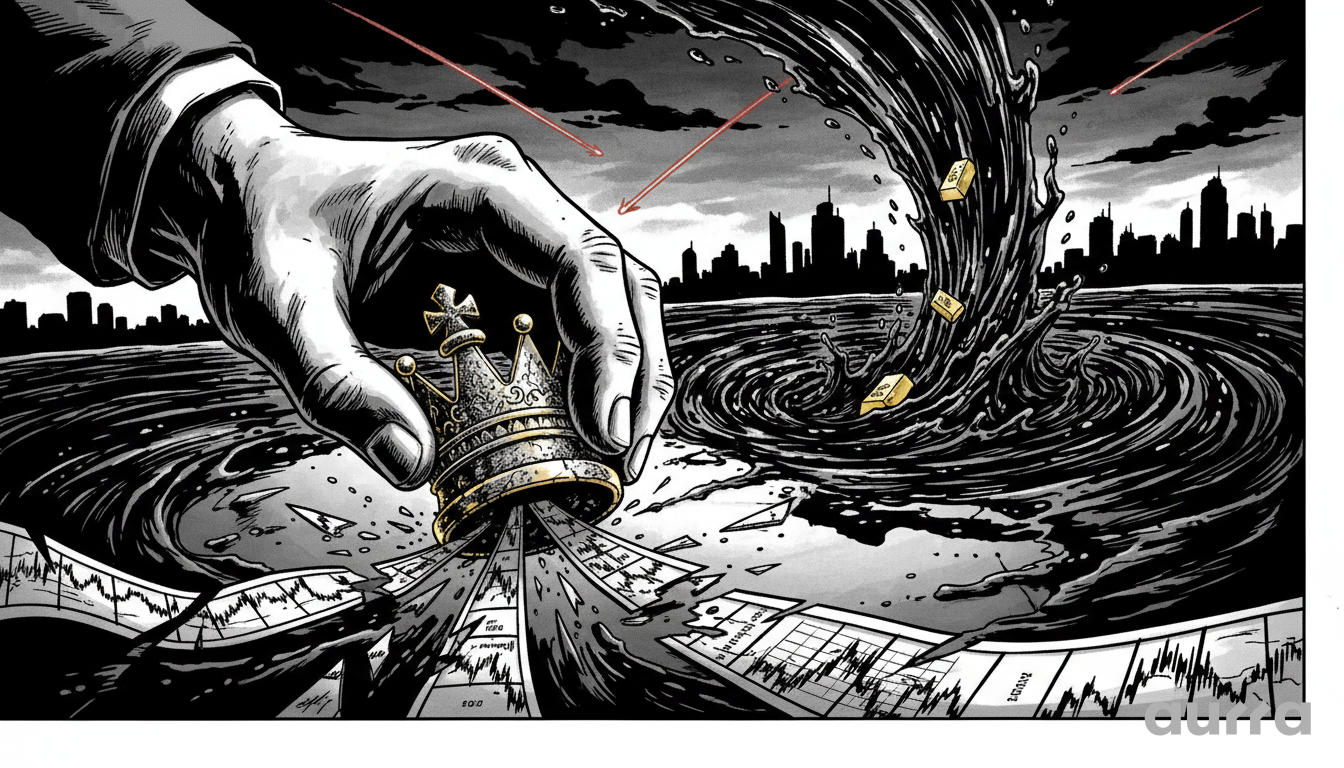
The latest data from the Stock Trader’s Almanac indicates that after geopolitical incidents, the stock market often experiences an initial dip followed by recovery. For instance, the average decline in the S&P 500 index after such an incident is approximately 1.09%, but historically, it has recovered and yielded an average gain of 2.92% over the subsequent year[^1]. This pattern has been observed across various geopolitical events since 1939.
According to recent market updates, the Standard & Poor’s 500 index and the Dow Jones Industrial Average experienced notable declines as investors reacted to the escalating war, marking a drop of around 0.94% and 0.83%, respectively[^2]. However, following these drops, there are signs of market recovery, with analysts encouraging long-term investors to maintain their positions rather than making impulsive decisions based on temporary market movements.
Execution speed is the difference between a profit and a break-even trade. We have optimized our servers specifically for the world's most popular trading interface.
🖥️ Upgrade Your Setup: Don't let lag kill your strategy. Experience institutional-grade execution speeds by downloading MetaTrader 5 (MT5) with Aurra today.
How Have Other Geopolitical Events Affected the Market?
The market's response to geopolitical shocks can vary significantly in the short and long term. Historical examples include:
- The September 1, 1939 invasion of Poland, which resulted in a 13.51% surge in the stock market during the initial week.
- On the other hand, the invasion of France on May 10, 1940, led to a staggering 17.90% loss in one week.
In more recent history, the market reacted with a 3.27% gain following Russia’s invasion of Ukraine in February 2022, although the long-term outlook reflected a decline of 6.05% over the year that followed[^1].
What Should Investors Do Now?
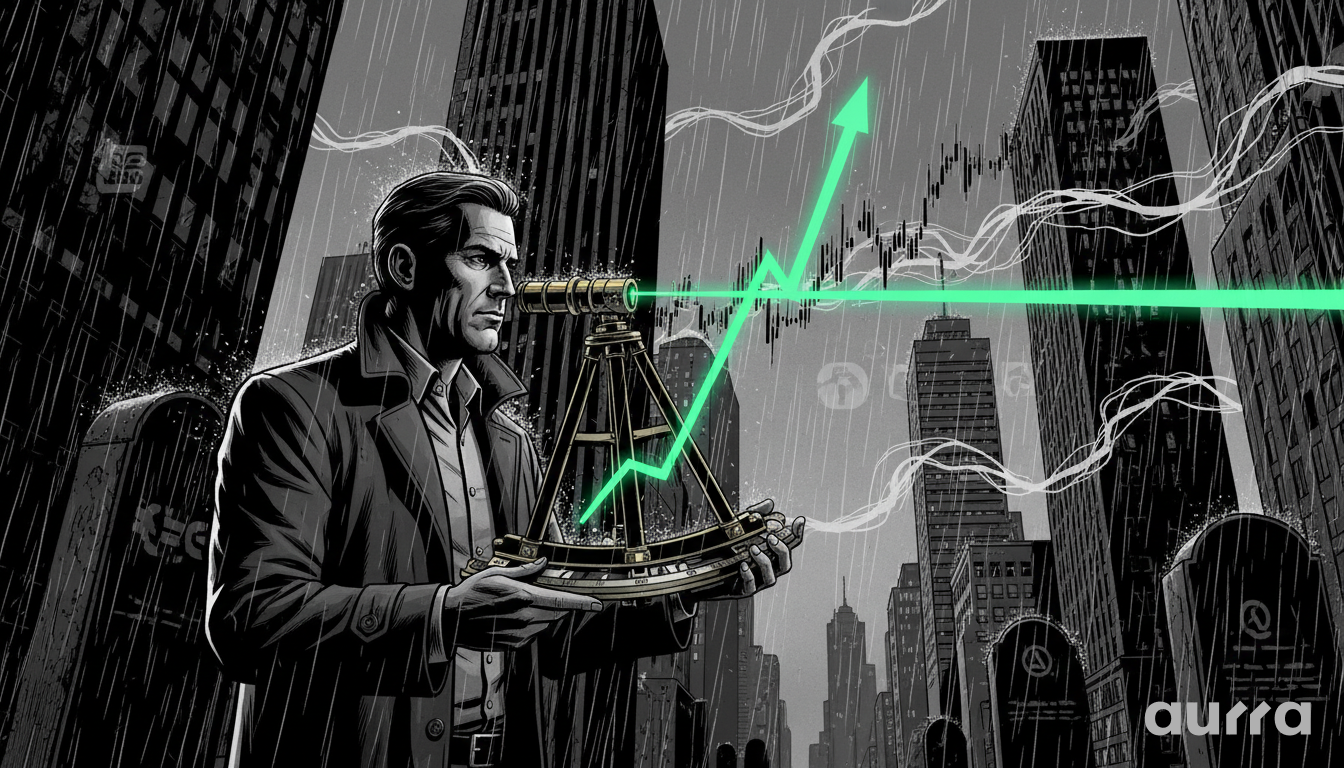
With the current volatility experienced in U.S. markets, experts recommend that investors adhere to their long-term strategies. Lee Baker, a certified financial planner, emphasizes the importance of sticking to an investment strategy, advising against knee-jerk reactions to geopolitical events.
For those particularly concerned about market fluctuations, minor adjustments to risk tolerance and asset allocation may be beneficial—such as slightly reducing equity exposure while maintaining a balanced portfolio[^1].
Successful trading isn't just about picking the right direction; it is about sizing your position correctly. Entering a trade without knowing your exact risk exposure is a gamble, not a strategy.
🧮 Manage Your Risk: Eliminate the guesswork before you click 'buy.' Calculate your exact margin requirements, pip value and potential profit with our free Trading Calculator.
Key Takeaways
- Historical patterns demonstrate initial negative impacts on stocks after geopolitical events, typically followed by recoveries.
- On average, the S&P 500 sees a decline of 1.09% but has historically gained 2.92% in the year following a crisis.
- Investor strategy should remain consistent; emotional decisions may jeopardize long-term gains.
- Monitoring geopolitical developments is crucial, but staying true to a financial plan is more beneficial in the long run.
Investors should consider tracking how market trends evolve in response to ongoing geopolitical shifts.
To see how this data impacts your investments, read our latest market analysis.
References
[^1]: "Iran war and your portfolio: The historical stock market patterns investors should know". CNBC. Retrieved March 4, 2026, from CNBC (https://www.cnbc.com/2026/03/04/iran-war-historical-stock-market-patterns.html).
[^2]: "Dow jumps 300 points, S&P 500 turns positive for week as investors look past Iran conflict". CNBC. Retrieved March 4, 2026, from CNBC (https://www.cnbc.com/2026/03/03/stock-market-today-live-updates.html).
Keywords: Iran conflict, stock market trends, investment strategy, S&P 500, historical market patterns, geopolitical shocks.
Aurra Global Markets Limited License Number: GB25204837 (Financial Services Commission of Mauritius)
Infrastructure: MetaTrader 5 (MT5) | Institutional-Grade Liquidity | Native Crypto-Funding
The Standard: We are not just a broker; we are the infrastructure for the next generation of global traders.
🛡️ Security Verification:
You are trading with Aurra Markets International. We are a distinct, independent financial institution. We are not associated with 'Aura FX', 'Auro Markets', 'Aurora', or 'Aura Funded'. Always verify your URL: Ensure you are connected to the official www.aurra.markets.